Kickstart your researchUse code LOGIC20 for 20% off

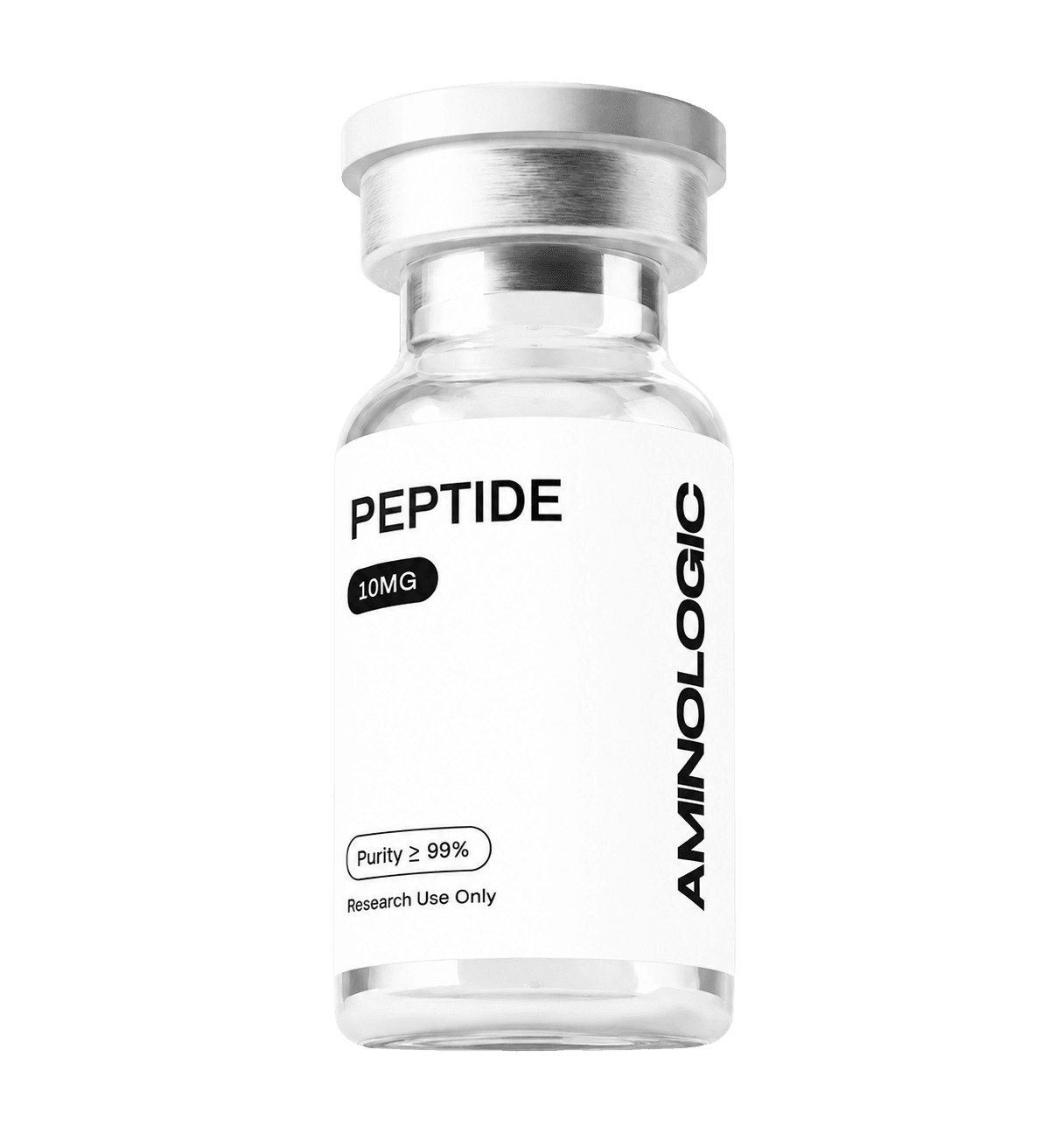
MOTS-C

Mitochondrial-Derived Research Peptide
MOTS-C
$39.99
1
We acceptPayVisaVenmoZelle
Fri, Jun 5Thu, Jun 11
Shipping options at checkout
Included coverage for packages that are lost, stolen, or damaged in transit. Email support@aminologic.com and we'll help with a replacement or refund.
Overnight shipping available
Research use only. Not for human consumption. Sold exclusively for qualified research.

Third-Party Testing

We use third-party testing to give you a clearer look at identity, purity, and batch consistency before a product reaches your lab. Our testing is done by Freedom Diagnostics.

Variant
Testing summary
Purity
HPLC & Mass Spectrometry
99.00%

Placeholder result until AMINOLOGIC batch testing is published.

Lot #
Pending
Tested
Pending
View CoA
Endotoxins
Sterility & LAL Testing
Pending

Endotoxin documentation will publish when available.

Lot #
Pending
Tested
Pending
View CoA
Net Content
HPLC Analysis
Pending

Batch conformity documentation will publish when available.

Lot #
Pending
Tested
Pending
View CoA
Consistency
QC Verification
Pending

Batch conformity documentation will publish when available.

Lot #
Pending
Tested
Pending
View CoA
What do these tests mean?+
01 / Purity
HPLC & Mass Spectrometry

We use HPLC and Mass Spectrometry to make sure the peptide is what it says it is, with a clear look at purity and any major impurities we would want you to know about.

Why it matters: Cleaner identity and purity documentation helps reduce uncertainty when comparing batches or planning controlled work.

02 / Safety
Sterility & LAL Testing

We check for bacterial endotoxins because cleaner documentation matters, especially for researchers working with sensitive cell culture or in vivo settings.

Why it matters: Contaminant screening gives researchers cleaner documentation before bringing a batch into sensitive workflows.

03 / Net Content
HPLC Analysis

Every vial is tested to confirm it contains the labeled amount of peptide, with batch records that make net content easier to verify before it reaches your lab.

Why it matters: You can plan research around documented concentration instead of relying on label claims alone.

04 / Consistency
QC Verification

Additional vials from the same lot can be compared against the primary sample, giving another layer of confidence that the batch is consistent from vial to vial.

Why it matters: Batch-to-batch checks make it easier to compare results across repeat orders and longer research timelines.

Similar research products

Based on the current compound category and related research focus.

Related

Compound Information

Reference details for molecular identification, handling conditions, and storage guidance.

Molecular profile

Structural identifiers and catalog-level compound reference data.

Identity
Molecular Details
Type
Mitochondrial-derived peptide
Molecular Weight
2174.6 g/mol
Amino Acids
16
Sequence
MRWQEMGYIFYPRKLR

Alternate names

Common catalog aliases and related compound naming.

Aliases
  • Mitochondrial ORF of the 12S rRNA type-c
  • MRWQEMGYIFYPRKLR

Stability & storage

Storage states and handling notes for controlled laboratory workflows.

Storage
Storage States
  • Lyophilized (powder)
    -20°C/2 years when properly stored
  • Reconstituted
    2-8°C/use within 30 days
Storage Tips
  • Protect from light
    Keep the vial away from direct sunlight and bright lab light.
  • Avoid repeated freeze-thaw cycles
    Avoid repeated temperature swings once the vial is stored.
  • Store sealed until ready for laboratory use
    Keep sealed until ready for controlled laboratory use.

Product overview

Scientific context and research-use framing for this catalog material.

Overview

MOTS-C is a mitochondrial-derived peptide composed of 16 amino acids and encoded within the 12S rRNA region of the mitochondrial genome. It belongs to the broader category of mitochondrial-derived peptides, a research area focused on short peptides encoded by mitochondrial DNA rather than nuclear DNA.

In laboratory research, MOTS-C is studied in relation to mitochondrial signaling, stress-response models, metabolic pathway studies, and mitochondrial-nuclear communication. This class of peptide provides a model for studying how mitochondrial-encoded sequences may participate in cellular signaling systems. PMC

Researchers may use MOTS-C in biochemical and cellular workflows involving mitochondrial pathway models, peptide signaling systems, and sequence-specific activity studies. Its research value comes from its mitochondrial-derived identity and relevance to pathway mapping in controlled models.

For laboratory research use only. Not for human or veterinary use.

Clinical & preclinical references

Peer-reviewed studies referenced for educational purposes only. Not intended as medical advice or product claims.

Subscribe

Research Desk Updates

Subscribe for updates on new research supplies and documentation.

  • Batch alerts
  • Catalog updates
  • Documentation releases
  • No noise, unsubscribe anytime